

Our mission & story
About Us
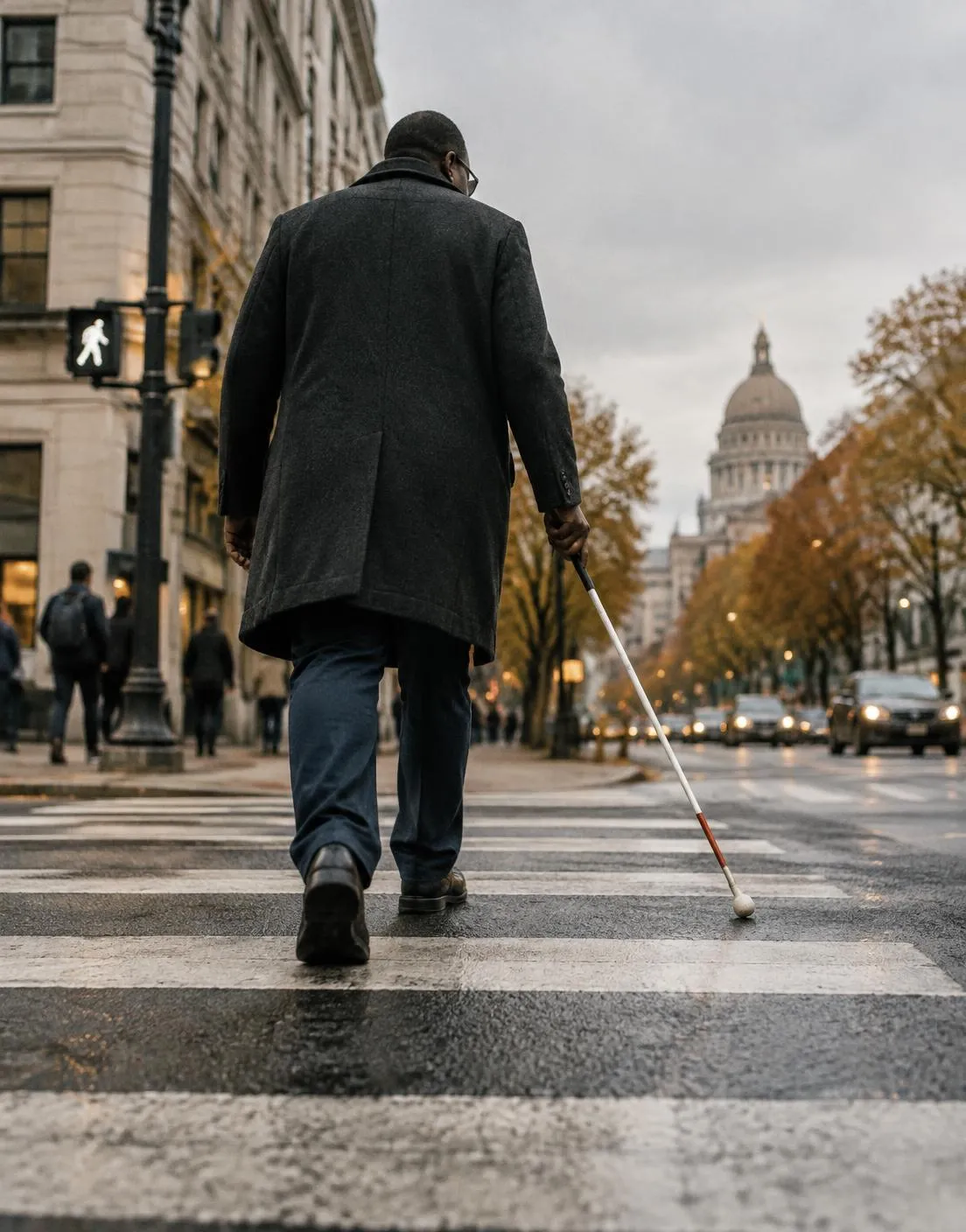
WalkSentry is a student research team, with members at Amirkabir University of Technology in Tehran and the University of Toronto and York University in Toronto, that uses computer vision to make walking safer. Crossing a street, finding a bench or stepping around an open manhole is something most people do without thinking, but for blind and low-vision people, and for anyone whose eyes are on a phone, those everyday obstacles are real risks. So we build obstacle-detection datasets captured from a pedestrian’s point of view, train real-time detectors small enough to run on phones and wearables, and study how assistive navigation can work for the people who need it most.
Who it’s for
Built for the people who need it most.
Blind and low-vision pedestrians
Detectors and guidance designed around how BLV people actually move through a city. Accessibility is a core requirement, not an add-on.
People walking with divided attention
Anyone whose eyes are on a phone: a second set of eyes for stairs, open manholes and traffic cones ahead.
The WalkSentry app · In development
Bringing our real-time obstacle detectors to everyday walking. Download links will appear as soon as it’s released.
Our People
Leadership
Hamed Farbeh
Principal Investigator
Amirkabir University of Technology
Faculty member in the Department of Computer Engineering at Amirkabir University of Technology, where he founded the Intelligent Computing and Communication Infrastructure Laboratory (ICCI) and directs the Computer Systems Architecture and Networks (CSAN) group. He holds a B.Sc., M.Sc. and Ph.D. in computer engineering from Sharif University of Technology and supervises WalkSentry's research.
Abtin Zandi
Team Lead
Amirkabir University of Technology
Received his B.Sc. in Computer Engineering from Amirkabir University of Technology. He leads WalkSentry, built the ROD dataset with the team and developed the AnnotationFlow annotation tool; his interests include computer vision, deep learning, mobile computing and real-time systems.
Members
Sarvin Nami
Member
Amirkabir University of Technology
Received her B.Sc. in Computer Engineering from Amirkabir University of Technology. She co-authored the team's smartphone, dataset and survey papers, and her interests include mobile programming, deep learning, vision-language models, large language models and trustworthy AI.
Arian Ashrafi
Member
University of Toronto
Based at the University of Toronto. Arian is a co-author of the team's survey of assistive navigation technologies for blind and low-vision people.
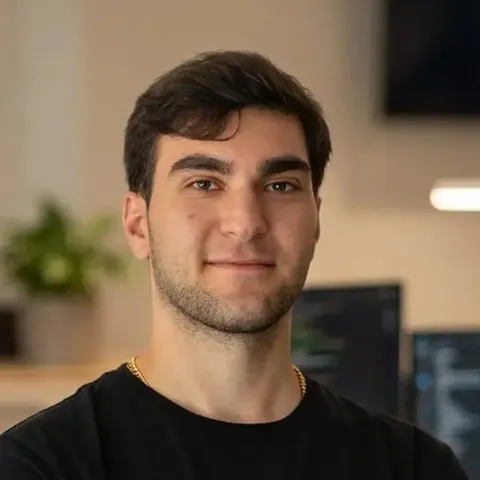
Ariyan Azami
Member
York University
Based at York University in Toronto. Ariyan helped build the ROD dataset, captured and gathered field data, and trained and evaluated its six benchmark detectors; he also co-authored the team's survey.
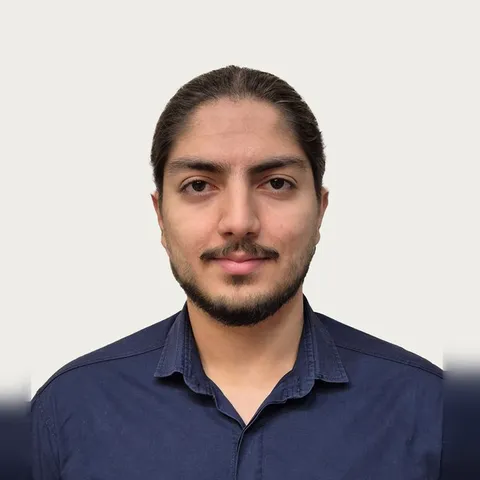
Bardia Sabagh Kermani
Member
Amirkabir University of Technology
Undergraduate student in Computer Engineering at Amirkabir University of Technology. He worked on the ROD dataset paper and its comparison with published baselines, and is interested in deep learning, computer vision, graph neural networks and real-time embedded systems.
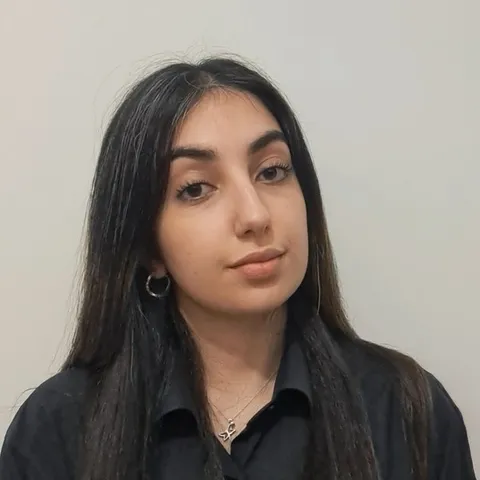
Roza Ganjipour
Member
Amirkabir University of Technology
Undergraduate student in Computer Engineering at Amirkabir University of Technology. She worked on the ROD dataset paper and its comparison with competing datasets, and is interested in deep learning, computer vision, NLP, graph neural networks and large language models.
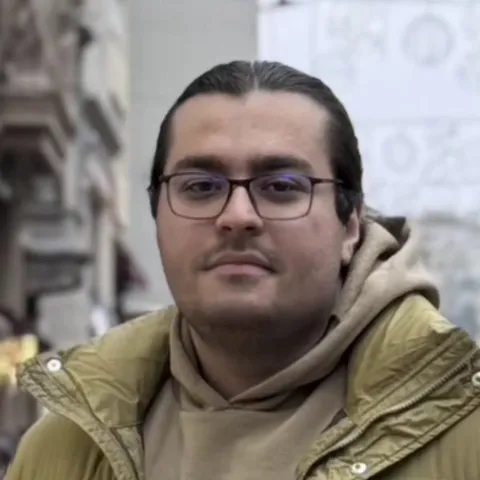
Seyed Sina Negahban
Member
Amirkabir University of Technology
Based at Amirkabir University of Technology in Tehran. Sina is a co-author of the team's survey of assistive navigation technologies for blind and low-vision people.
Amirabbas Entezari
Member
Amirkabir University of Technology
Based at Amirkabir University of Technology in Tehran. Amirabbas is a co-author of the team's survey of assistive navigation technologies for blind and low-vision people.
Collaborators
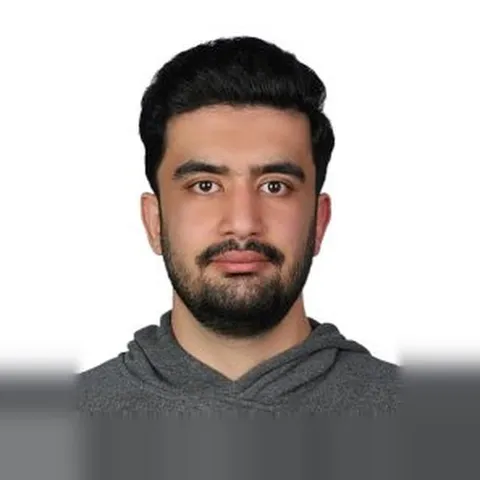
Amirreza Tarabkhah
Collaborator
Amirkabir University of Technology
Received his B.Sc. in Computer Engineering from Amirkabir University of Technology. He co-authored the team's smartphone obstacle-detection paper, and his interests include computer vision, natural language processing and image processing.
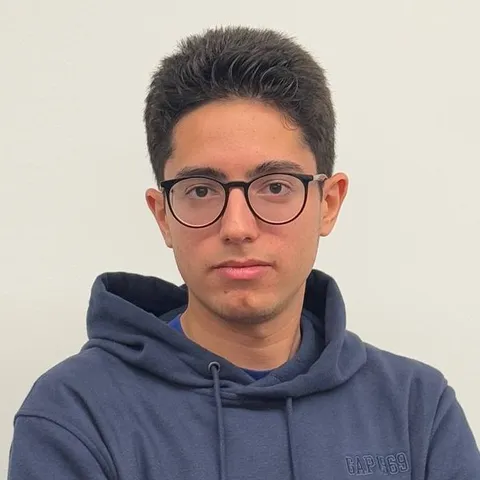
Parsa Abbasian
Collaborator
York University
Based at York University in Toronto. Parsa helped build the ROD dataset and capture its Toronto field data, and co-authored the team's survey.
Parisa Taherzadeh
Collaborator
York University
Based at York University in Toronto. Parisa is a co-author of the team's survey of assistive navigation technologies for blind and low-vision people.